

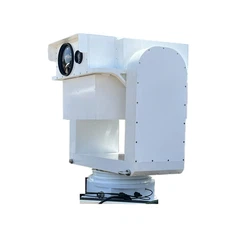
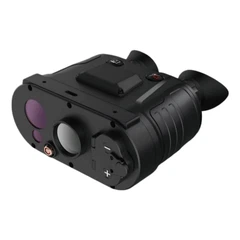

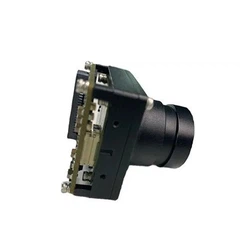
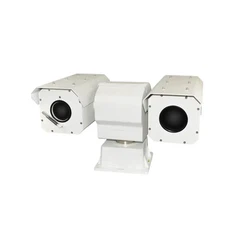
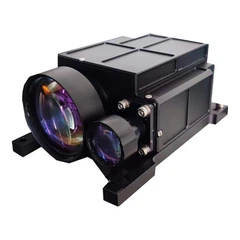
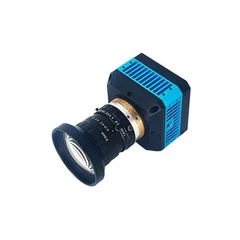
1. The working principle is different: the night vision device actively receives the light source through the image enhancement system. Until the external light source shines on the object and is reflected to the night vision device for multiple receptions, the night vision device can image, while the thermal imager makes the light emitted by the object invisible. The infrared energy is converted into a visible thermal image.
2. Different effects: General night vision devices directly observe the target through the lens, so the field of view is the same as that seen through the telescope lens, which is circular, and the picture is green. When the clarity is sufficient, it can be distinguished. Qingren's facial features, the infrared night vision thermal imager sees the image on the internal LCD screen, rather than directly seeing the target, so the field of view is square, the imaging of the infrared night vision thermal imager will be based on Temperature distribution, the higher the temperature, the greater the brightness, and conversely, the lower the temperature, the darker the color.
3. The influence of light factors is different: Due to the imaging principle, the second-generation night vision device is greatly affected by the environment, especially the influence of light. When the light becomes darker, the observation distance will be shortened, while the infrared thermal imaging night vision device will not be affected by Under the influence of light, the target object can be clearly observed no matter it is day or night or in rainy, snowy or foggy days.
4. Different properties: Night vision devices are nighttime external sights with an image intensifier as the core component. They do not use infrared searchlights to illuminate the target. Infrared thermal imaging cameras use infrared thermal imaging technology to detect the infrared radiation of the target object. , and use signal processing, photoelectric conversion and other means to convert the temperature distribution of the image into a visual image.